Skip to content



Vegan leather is a material designed to mimic the appearance and texture of animal leather without using animal-derived skin. It is made from plant fibers (corn, pineapple, cactus, apple, grape), synthetic materials (polyurethane), or mycelium (mushroom). Animal leather, on the other hand, comes from tanned hides of bovine, ovine, or caprine origin. The two materials differ in environmental impact, durability, maintenance, and price.
What is the difference in manufacturing between vegan leather and animal leather?
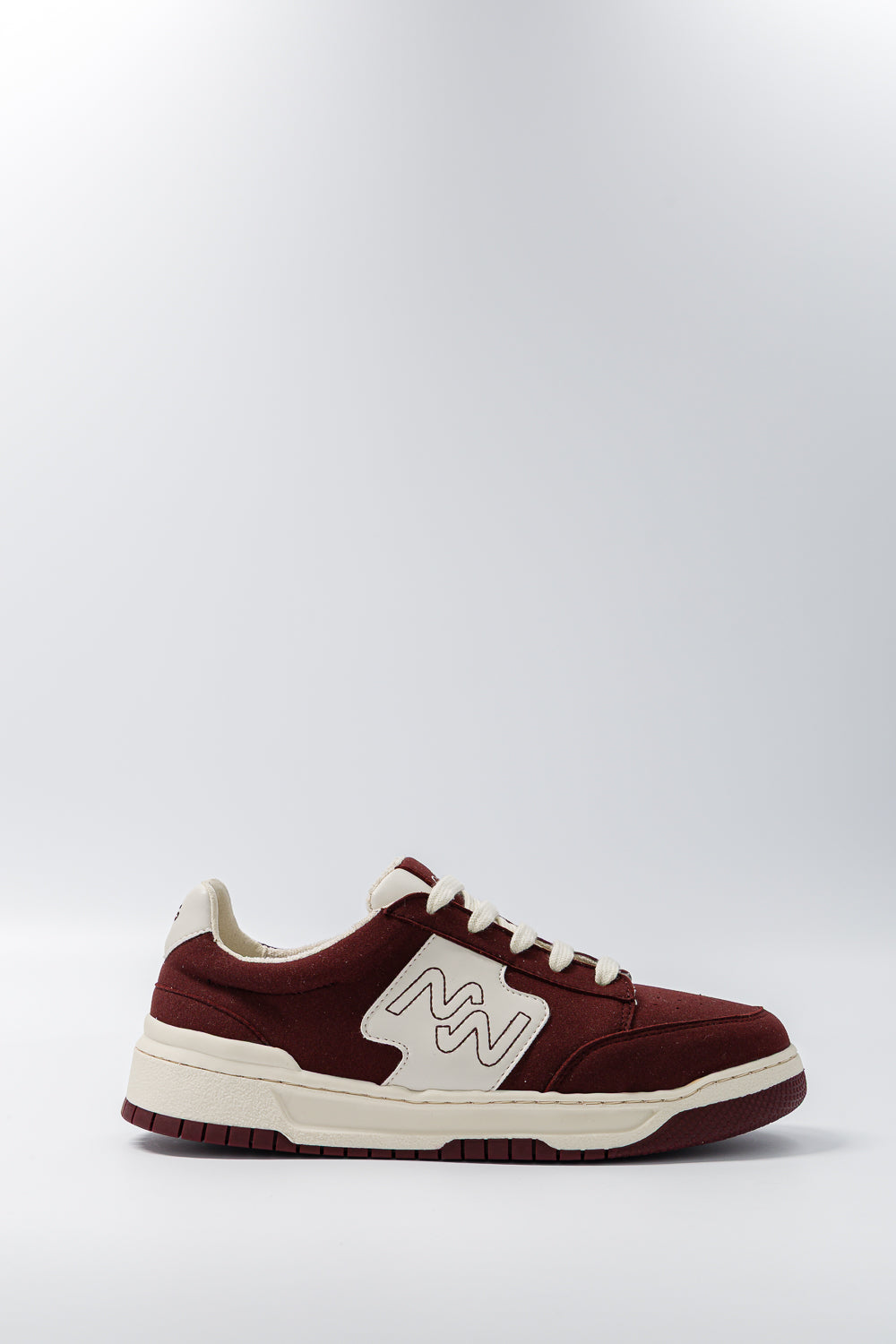
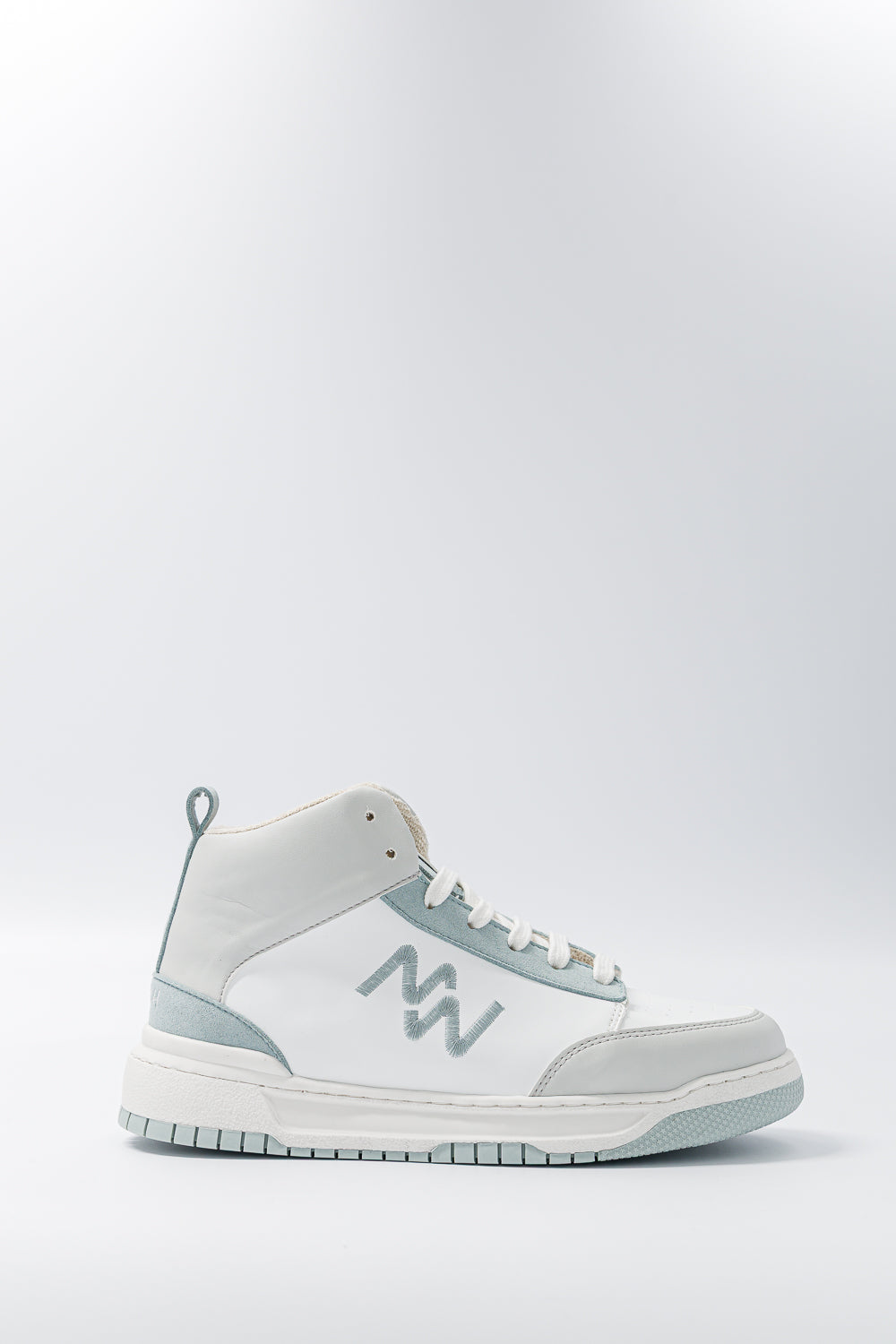
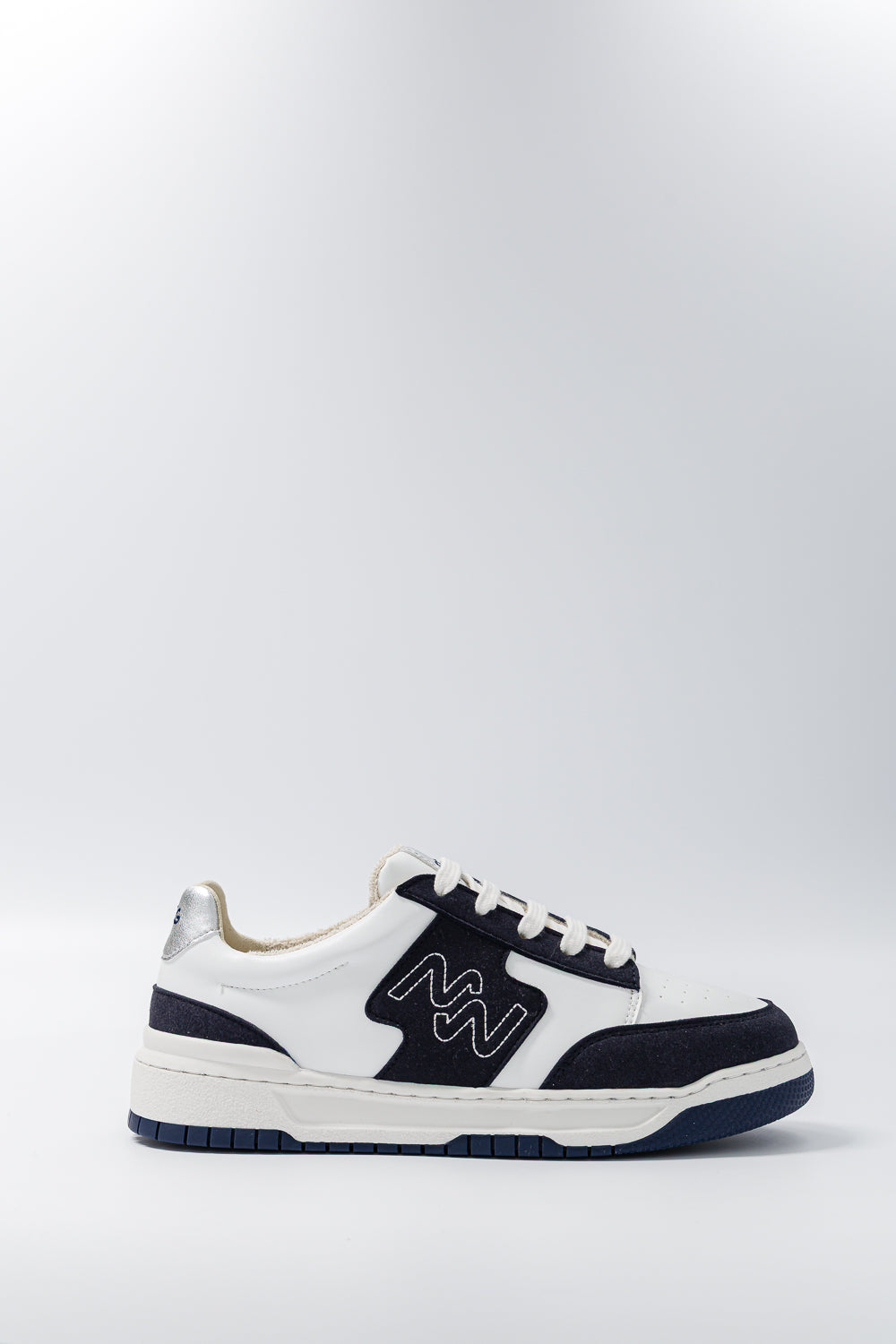
Animal leather results from a breeding and then tanning process (often with chrome), a chemical step that is water-intensive and uses toxic products. Vegan leather avoids the breeding step: it is either synthesized from plastic polymers or made from plant by-products (pineapple leaves for Piñatex, nopal pads for cactus leather, apple cores for apple leather, starch and corn waste for corn leather). At Mood Walk, we have opted for corn leather for our vegan sneakers, and we will explain why later.
What is the environmental impact of each?
|
Criteria |
Animal Leather |
Vegan Leather (Plant-based) |
Vegan Leather (Synthetic/PU) |
|
Water Consumed |
Very High (breeding + tanning) |
Low to Moderate |
Low |
|
CO2 Emissions |
High (cattle farming) |
Low |
Moderate (petroleum-derived) |
|
Biodegradability |
Yes (raw leather), no if chrome-tanned |
Partial depending on binder |
No |
|
Material Origin |
Animal |
Agricultural by-products |
Petrochemical |
Plant-based vegan leathers (corn, pineapple, cactus, apple) generally show the best environmental balance because they make use of agricultural waste. Synthetic vegan leathers (PU leatherette) reduce the impact of animal farming but are still derived from plastic and thus not very biodegradable.

Is vegan leather as durable as animal leather?
Quality animal leather remains the benchmark for longevity: if well-maintained, it can last several decades and develops a patina over time. Synthetic vegan leather generally has a shorter lifespan (5 to 10 years on average) and can crack with wear. New generation plant-based vegan leathers (Coronet corn leather, Piñatex, cactus leather) are now approaching the resistance of animal leather, but the technology is still new, and long-term usage feedback remains limited. Nevertheless, we find that our corn leather sneakers hold up very well over time and are just as durable as traditional animal leather sneakers.
How to care for vegan leather sneakers?
You should clean your vegan sneakers with a damp cloth and mild soap, avoiding alcohol-based products.
It is recommended to avoid prolonged exposure to sunlight, which can dry out some synthetic leathers, but for bio-based leathers like the corn-based leather Mood Walk uses in its vegan sneakers, this is less of a concern.
You should use a waterproofing protection specifically for vegan materials (classic animal leather sprays sometimes contain animal-derived waxes). In Mood Walk's case, your vegan sneakers have already been waterproofed, so you don't need to worry about that.
We recommend letting them air dry, never near a direct heat source.
How to identify real vegan sneakers?
A sneaker is certified vegan when it contains no animal-derived materials, including in the glue and dyes (traditional glue can contain animal gelatin). Labels to look for include PETA-Approved Vegan and the Vegan Society label. The tag should specify the exact composition of the materials used.
Vegan leather or animal leather: which to choose?
If you want to prioritize environmental and ethical impact, plant-based vegan leather (corn, pineapple, cactus, apple) is clearly the best option.

If you want to prioritize maximum longevity and patina, then animal leather is probably the choice.
If you have a tight budget, occasional use, and environmental impact is not your main concern, synthetic vegan leather is cheaper to buy but needs to be replaced more often and we do not recommend it.
Frequently asked questions
Is vegan leather plastic?
Some vegan leathers are synthetic (with a plastic/PU base), others are bio-based, made from plant fibers without major petrochemical derivatives. For environmental impact, durability, and aesthetic appeal, we wholeheartedly recommend vegan leather, such as the corn leather selected by Mood Walk.
Is vegan leather more expensive than animal leather?
Innovative vegan leathers (corn, pineapple, cactus, mushroom) often cost more to produce than classic animal leather due to processes that are not yet highly industrialized, while synthetic leatherette is generally cheaper but less durable, more polluting, and of lower quality. Therefore, we recommend buying sneakers less often but choosing vegan leather sneakers that will last longer.
Does vegan leather smell like plastic?
Low-quality synthetic leathers may have a slight chemical odor when new from the factory, which dissipates with airing. Vegan leathers do not have this characteristic. They resemble animal leather without the environmental impact and are animal-friendly.