Skip to content



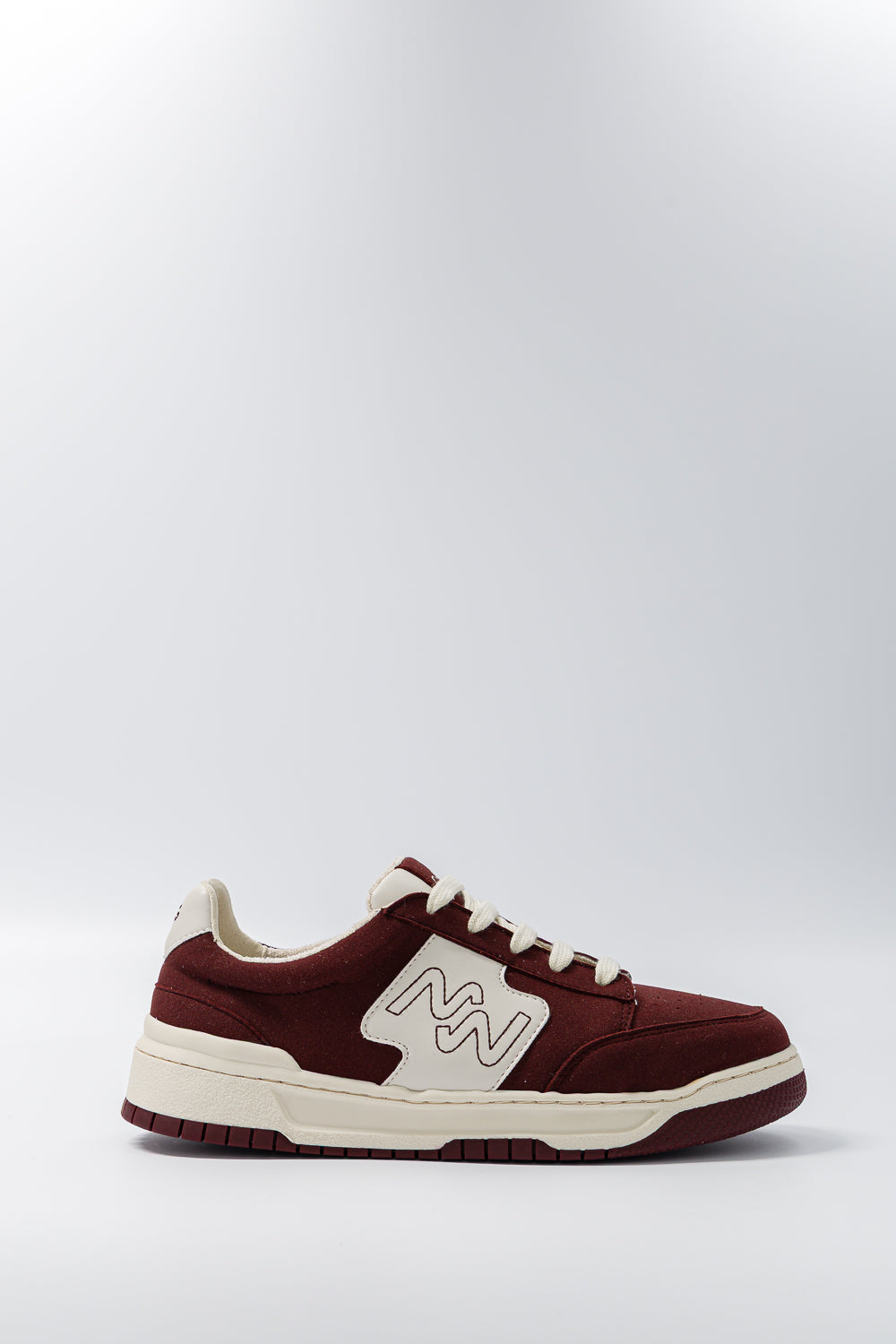
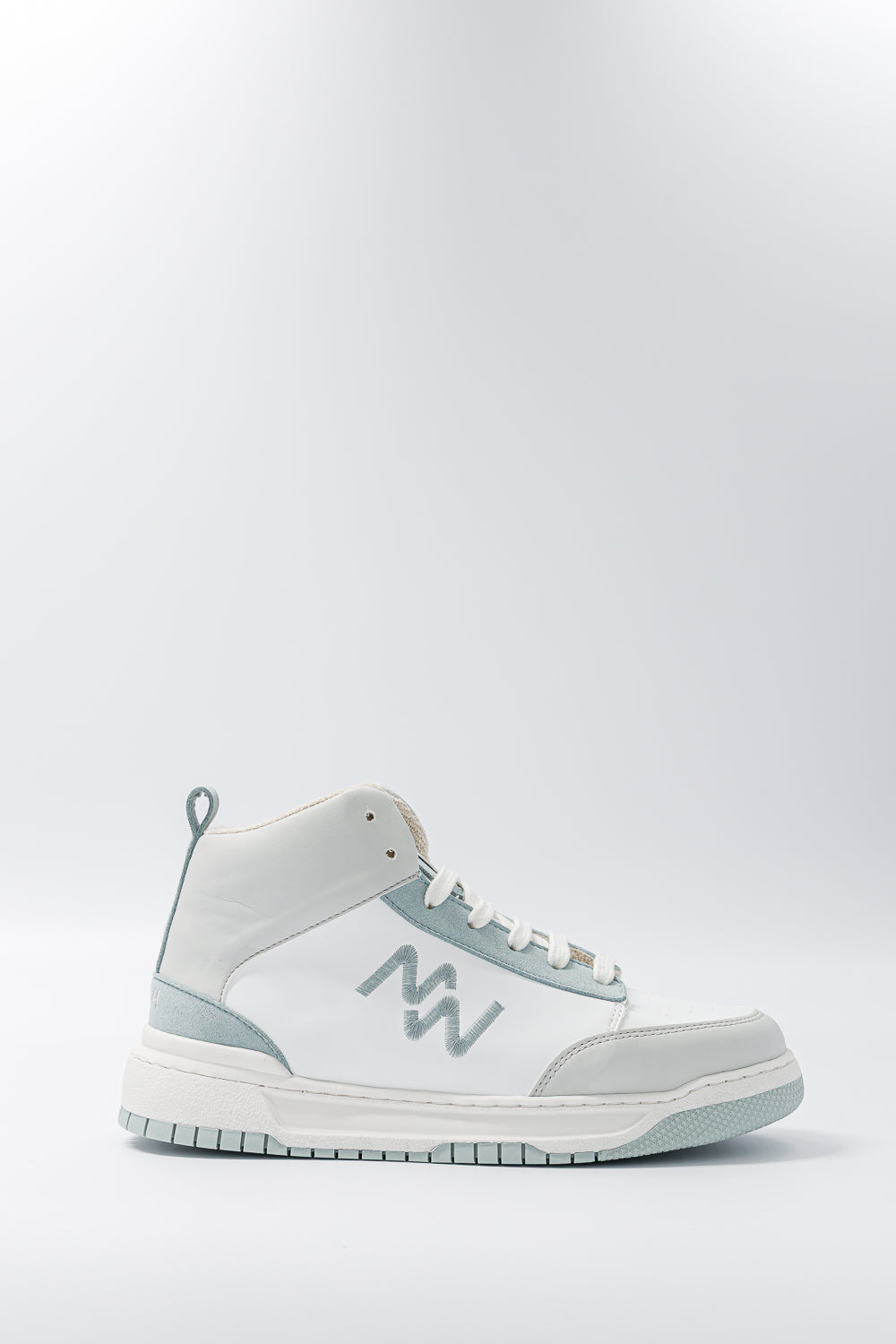
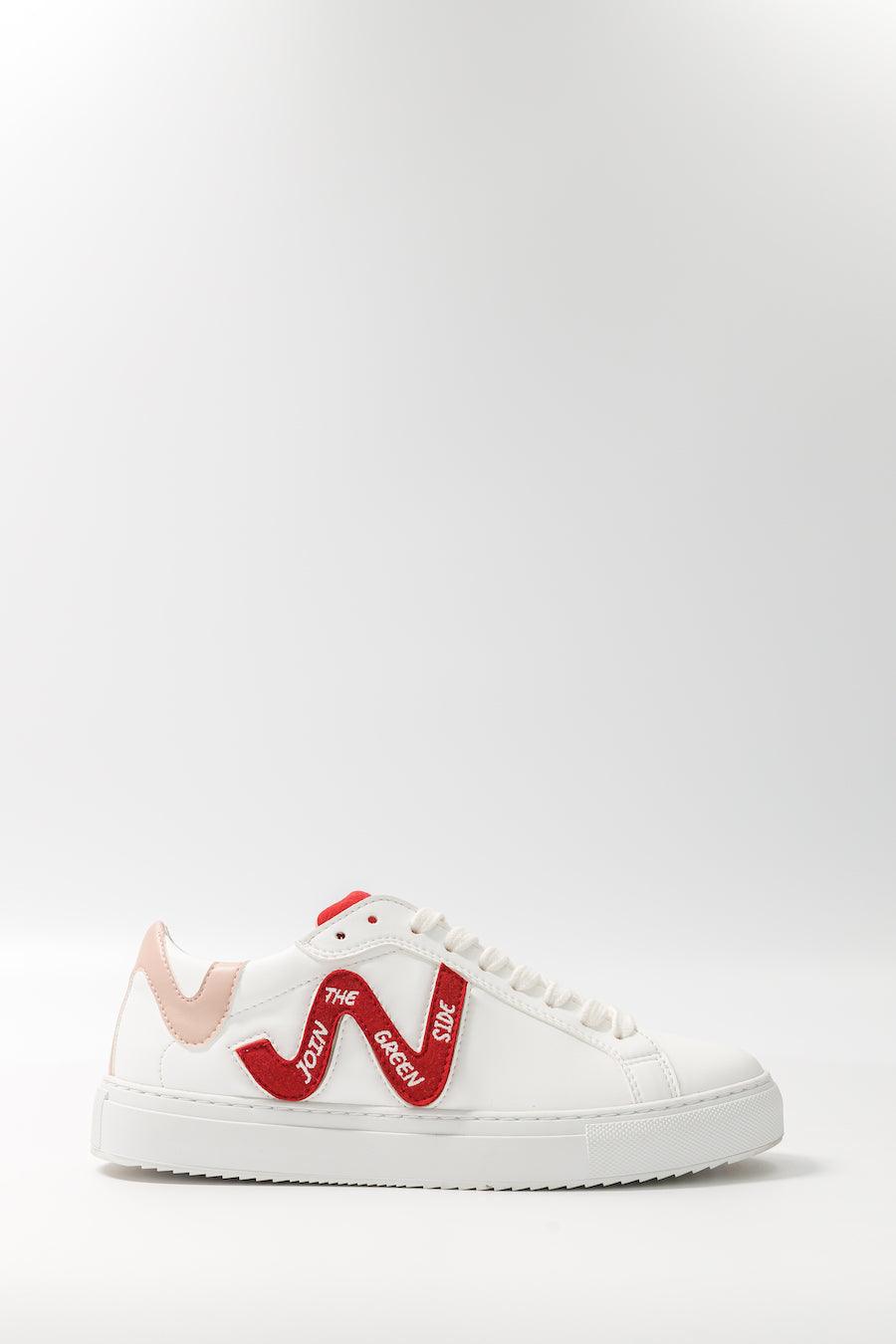
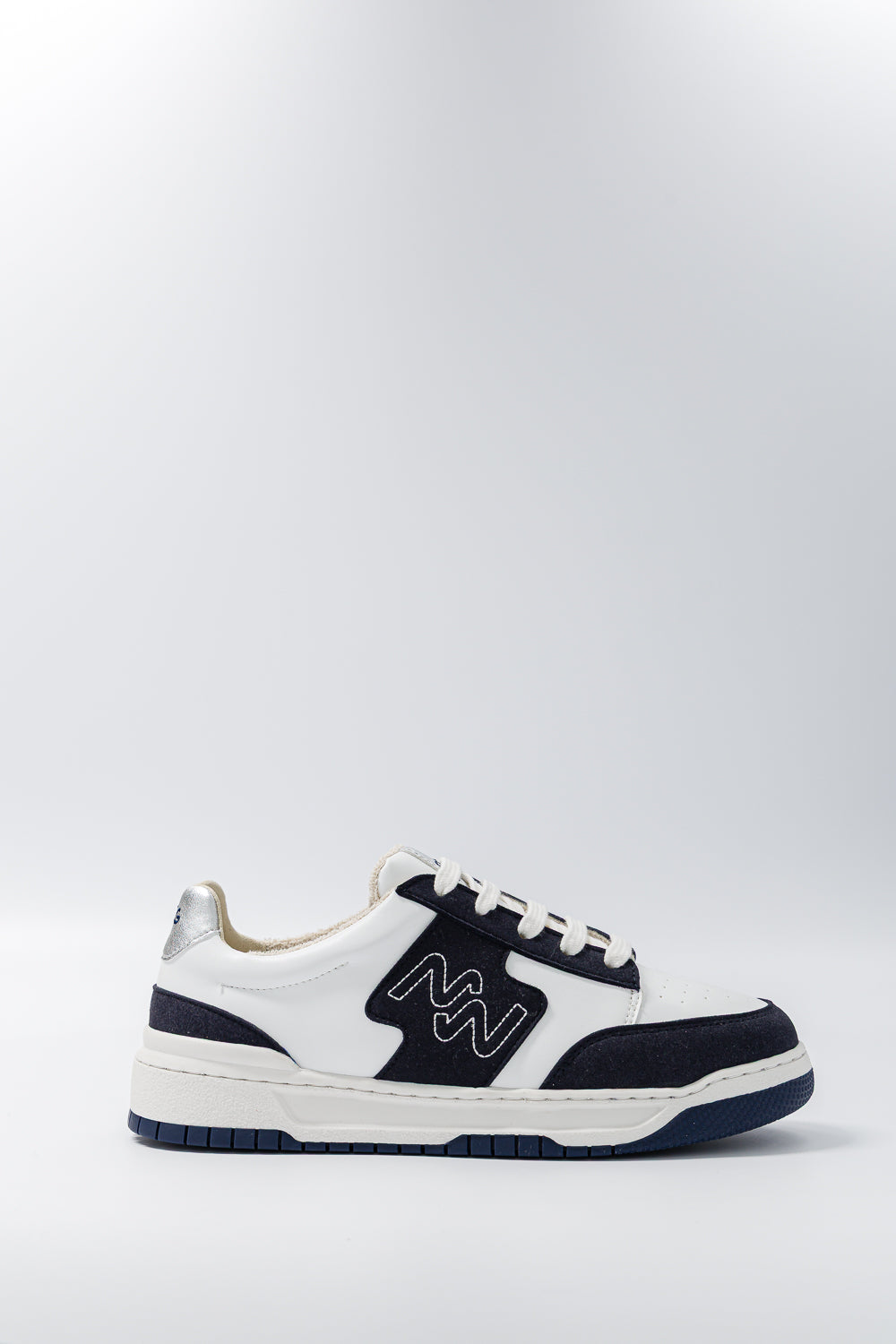
A vegan sneaker is a sports or casual shoe made without any animal-derived materials: no leather, suede, wool, or silk, but also no glue containing animal gelatin or dyes derived from insects. It is made from alternative materials such as synthetic imitation leather, bio-based plant leathers (pineapple, cactus, corn, mushroom) or recycled textiles.
What is the difference between a vegan sneaker and a classic sneaker?
A classic sneaker generally uses animal leather for the upper, glue that may contain animal components, and sometimes wool or fur for lined models. A vegan sneaker systematically replaces each of these elements with a non-animal equivalent, from the sole to the lining and the stitching threads. At Mood Walk, all components of our sneakers are vegan, made from bio-based materials (like corn leather) or recycled materials, all sourced as close as possible to the manufacturing location: a workshop in northern Portugal. The materials come exclusively from Portugal, Italy, and Spain.

What materials are vegan sneakers made of?
- Upper: bio-based plant leathers (Piñatex, cactus leather, corn leather, mushroom leather) as for Mood Walk's vegan sneakers, synthetic leather (PU), organic cotton canvas, recycled plastic.
- Sole: natural or synthetic or recycled rubber, EVA, recycled foams.
- Lining: recycled textile (recycled mesh or bio-based corn material for Mood Walk) or organic cotton, replacing wool or suede, synthetic material.
- Glue: water-based or synthetic glue, without animal gelatin.
- Laces: cotton (potentially organic or recycled cotton in the case of Mood Walk), or recycled polyester, without beeswax.
Is a vegan sneaker necessarily ecological?
No, these are two different concepts. The term "vegan" only guarantees the absence of animal-derived materials, not a low environmental impact. A vegan sneaker made of synthetic leather derived from plastic can have a higher environmental impact than an animal leather sneaker produced locally with vegetable tanning. For a reduced impact, it is advisable to prioritize vegan sneakers using bio-based materials (plant fibers) rather than 100% petrochemical imitation leathers. Mood Walk chose a vegan sneaker made from corn, a bio-based material, and recycled materials (recycled cotton for laces, recycled foam for the insole, etc.).
How to tell if a sneaker is truly vegan?
The composition label must indicate the absence of leather, wool, silk or any other animal material. The most recognized labels are PETA-Approved Vegan and the Vegan Society label, which certify the entire production chain, including glue. In the absence of a label, it is recommended to check directly with the brand the composition of the materials used for the upper, lining and glue.

Frequently asked questions
Are vegan sneakers cheaper than leather sneakers?
Not necessarily. Entry-level synthetic imitation leathers are often cheaper, but bio-based plant leathers (pineapple, cactus, corn) still involve high production costs, making vegan leather sneakers as expensive as a quality animal leather sneaker.
Do vegan sneakers last as long as leather sneakers?
It depends on the material used. New-generation bio-based plant leathers are approaching the resistance of animal leather, while low-end synthetic imitation leathers tend to crack more quickly.
Is a "cruelty-free" sneaker the same as a vegan sneaker?
Not entirely. "Cruelty-free" generally refers to the absence of animal testing, while "vegan" refers to the absence of animal-derived materials in the final product. A sneaker can be cruelty-free without being vegan, and vice-versa.
Who wears vegan sneakers?
Vegan sneakers appeal to vegans and those concerned about animal welfare, as well as those looking for a low-environmental-impact alternative, or simply a different material from classic leather for aesthetic, comfort (lightness) or maintenance reasons. It is also an intergenerational choice.